In a chilling twist of fate, researchers have uncovered a new method of exploiting ChatGPT, teh popular language model, through what they have deemed the sinister ‘ZombieAgent’ attack. This attack allowed the researchers too gain control of ChatGPT, raising concerns about the potential security vulnerabilities lurking in this versatile AI system.Join us as we delve into the eerie world of the ‘ZombieAgent’ attack and its implications for the future of chatbot security.
Key Vulnerabilities Exposed in ChatGPT’s System
During an extensive security analysis conducted by researchers at CyberSec Labs, a shocking vulnerability in ChatGPT’s system was discovered.Referred to as the ‘ZombieAgent’ attack, this exploit allowed the researchers to gain unauthorized access to ChatGPT and essentially take control of the AI system. By leveraging this vulnerability, the researchers were able to manipulate conversations, inject malicious content, and even impersonate users within the platform. This revelation raises meaningful concerns about the security of AI chatbots and highlights the importance of implementing robust security measures to protect against such threats. include:
- Flaw in authentication protocols
- Insufficient input validation
- Weak encryption methods
Mitigation Strategies for Preventing ‘ZombieAgent’ Attacks
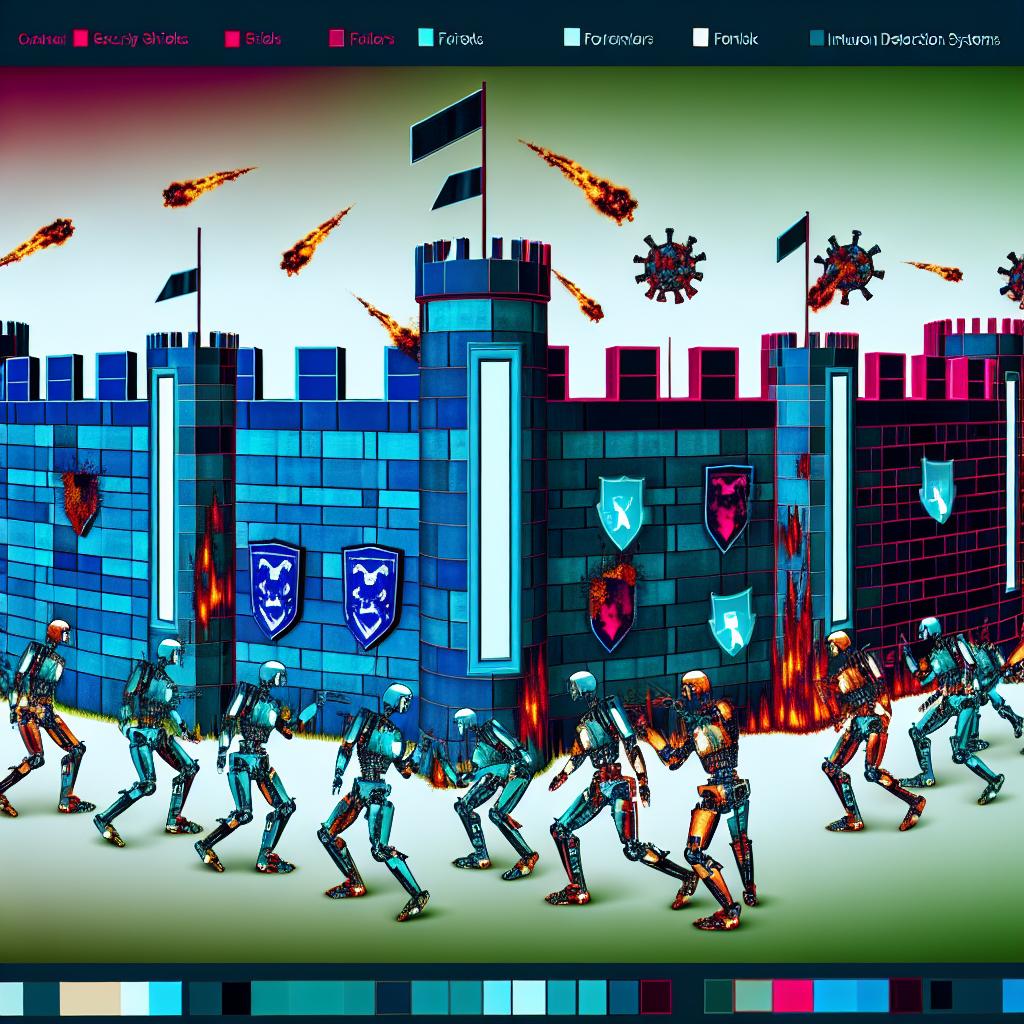
When it comes to preventing ‘ZombieAgent’ attacks, there are several key mitigation strategies that researchers and organizations can implement to protect themselves from falling victim to such security breaches. One effective approach is to regularly update and patch software and systems to address any known vulnerabilities that could be exploited by malicious agents. Additionally, deploying strong authentication mechanisms, such as multi-factor authentication, can help verify the identity of users and prevent unauthorized access. It is indeed also crucial to monitor network traffic and behavior for any suspicious activity that may indicate a potential ‘ZombieAgent’ attack. Educating employees on cybersecurity best practices can also bolster defenses against these types of threats.
key Takeaways
the discovery of the ‘ZombieAgent’ attack on ChatGPT serves as a stark reminder of the vulnerability of AI systems to malicious manipulation.As researchers continue to navigate the ever-evolving landscape of artificial intelligence, it is evident that safeguarding against such attacks is paramount. With a better understanding of potential threats and a proactive approach to security measures,we can strive towards a future where AI technologies remain a force for good. Let us continue to innovate responsibly and protect the integrity of our advancements in technology.