

In a digital landscape riddled with cyber threats, ransomware has emerged as a formidable adversary for businesses of all sizes. With its ability to infiltrate systems and encrypt critical data, the stakes have never been higher. Tho, all is not lost.By harnessing the power of a robust firewall,organizations can fortify their defenses and effectively thwart ransomware attacks. Join us as we explore five crucial ways your firewall can serve as a frontline defense, shielding your network from harm and sealing off any breaches with unwavering resilience. Let’s dive in and discover how to protect your digital assets from the clutches of ransomware.
How Firewalls Act as an Essential Defense Against Ransomware
Firewalls play a crucial role in protecting your systems and data from ransomware attacks. By implementing the right firewall strategies, you can significantly reduce the risk of falling victim to these malicious threats. Here are 5 ways your firewall can act as a strong defense against ransomware:
- network Monitoring: Firewalls can monitor network traffic in real-time, detecting any suspicious activity that may indicate a ransomware attack.
- Access Control: By setting up strict access control rules, firewalls can prevent unauthorized users from accessing sensitive data and reduce the risk of ransomware infiltration.
- Content Filtering: Firewalls can block malicious websites and emails that are commonly used to distribute ransomware, keeping your system safe from potential threats.
- Intrusion Prevention: Firewalls can detect and block ransomware attacks in real-time, preventing them from spreading throughout your network and causing damage.
- Regular Updates: Keeping your firewall software up to date is essential for staying protected against the latest ransomware threats, as updates often include patches for known vulnerabilities.
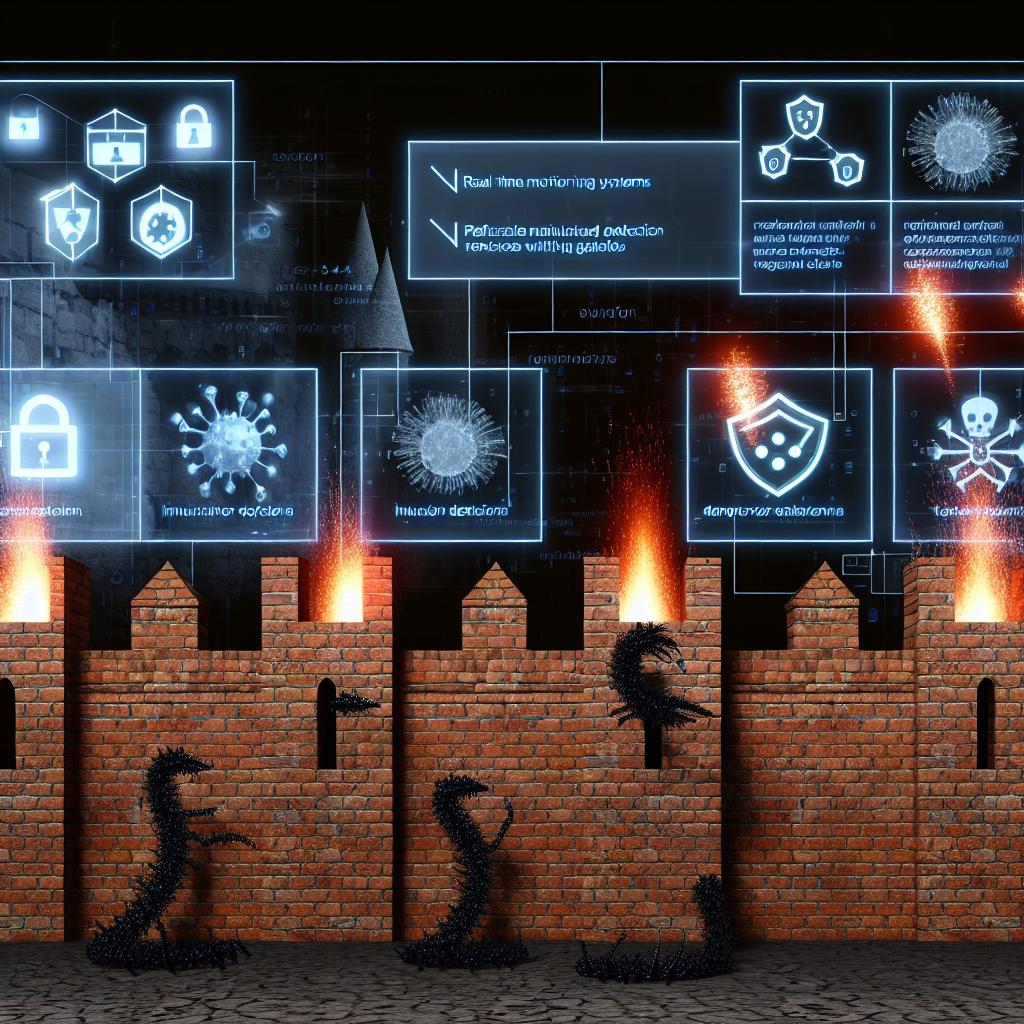
Advanced Features to Look for in Firewalls for Enhanced Ransomware Protection
Some advanced features to consider when choosing a firewall for enhanced ransomware protection include behavior-based detection which can analyze the behavior of unknown files to determine if they are ransomware, sandboxing to isolate and execute suspicious files in a safe environment, request control to block unauthorized applications from running on your network, URL filtering to prevent users from accessing malicious websites, and automatic backups that can definitely help you quickly recover from a ransomware attack. By utilizing these features, your firewall can not only keep ransomware out but also lock it down effectively if it manages to slip through. With these robust defenses in place, you can have peace of mind knowing your network is well protected against ransomware threats.
| Feature | Description |
|---|---|
| Behavior-Based Detection | Analyzes the behavior of unknown files to determine if they are ransomware. |
| Sandboxing | Isolates and executes suspicious files in a safe environment. |
| Application Control | Blocks unauthorized applications from running on your network. |
| URL Filtering | Prevents users from accessing malicious websites. |
| Automatic Backups | Helps recover quickly from a ransomware attack. |
closing Remarks
by implementing these five strategies, your firewall can serve as a stalwart protector against the threat of ransomware. From blocking malicious traffic to isolating infected devices, your firewall plays a crucial role in safeguarding your network. By staying vigilant and employing robust security measures, you can ensure that ransomware is kept at bay - and swiftly dealt with if it does manage to breach your defenses. Remember, a strong firewall is your first line of defense in the ever-evolving landscape of cybersecurity.