

In todayS increasingly interconnected digital landscape, the need for protecting oneself against identity-based attacks has never been more critical. While Multi-Factor Authentication (MFA) has long been considered a standard safeguard, it is indeed becoming increasingly clear that additional measures are necesary to build true resilience in the face of evolving cyber threats. Let’s explore the concept of going beyond MFA and delving into effective strategies for fortifying our defenses against identity-based attacks.
Recognizing the limitations of multi-factor authentication
While multi-factor authentication (MFA) has been a notable advancement in enhancing security measures, it is essential to recognize its limitations in protecting against identity-based attacks. Hackers are becoming increasingly sophisticated, finding ways to bypass MFA through social engineering tactics, phishing scams, or even exploiting vulnerabilities within the authentication process itself. To truly build resilience against these attacks,organizations need to look beyond MFA and implement additional layers of security. Some alternative strategies to consider include:
- Implementing adaptive authentication techniques that analyze user behavior patterns in real-time.
- utilizing biometric authentication methods such as fingerprint or facial recognition technology.
- Incorporating continuous monitoring and threat detection solutions to quickly identify and respond to suspicious activities.
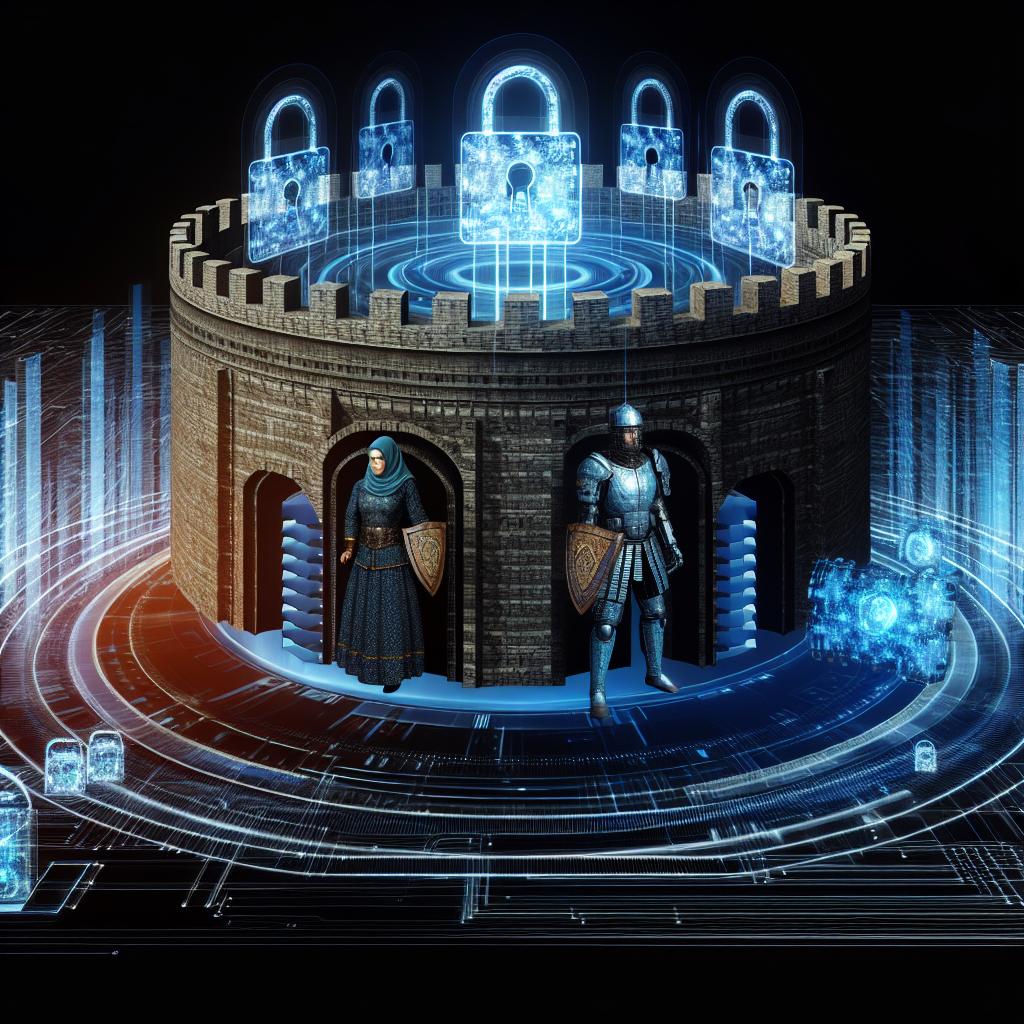
Strengthening security through comprehensive identity protection strategies
In today’s constantly evolving threat landscape, organizations need to go beyond traditional Multi-Factor Authentication (MFA) methods to truly bolster their security posture against identity-based attacks. By implementing a variety of comprehensive identity protection strategies, businesses can enhance their resilience and safeguard sensitive data from potential breaches. One key approach is to incorporate advanced threat detection capabilities, such as real-time monitoring and anomaly detection, to swiftly identify and respond to suspicious activities. Additionally, leveraging the power of behavioral analytics and biometric authentication can add an extra layer of protection, ensuring that only authorized users have access to critical systems and facts.Implementing a robust identity governance framework, coupled with regular employee training on cybersecurity best practices, can further strengthen security measures and mitigate the risk of identity theft and fraud.
Insights and Conclusions
the journey to building true resilience against identity-based attacks goes beyond just relying on MFA solutions. It requires a multifaceted approach that encompasses cultural awareness, education, and proactive measures to safeguard our identities. By recognizing the intricate nature of these attacks and taking steps to fortify our defenses, we can navigate the digital landscape with confidence and protect what matters most – our identities. Let us continue to evolve, adapt, and stay one step ahead in the ongoing battle against cyber threats. Stay vigilant, stay informed, and stay secure.