In a world where technology continues to advance at a rapid pace,facial recognition has emerged as a powerful tool with the potential to revolutionize various aspects of our daily lives. Tho, as the use of this innovative technology becomes more prevalent, a growing concern regarding its trustworthiness has taken center stage. With issues ranging from accuracy and bias to privacy and security concerns, facial recognition’s trust problem is a complex and pressing issue that demands our attention and scrutiny. Join us as we delve into the intricacies of this controversial topic and explore the challenges and implications of facial recognition technology in our society.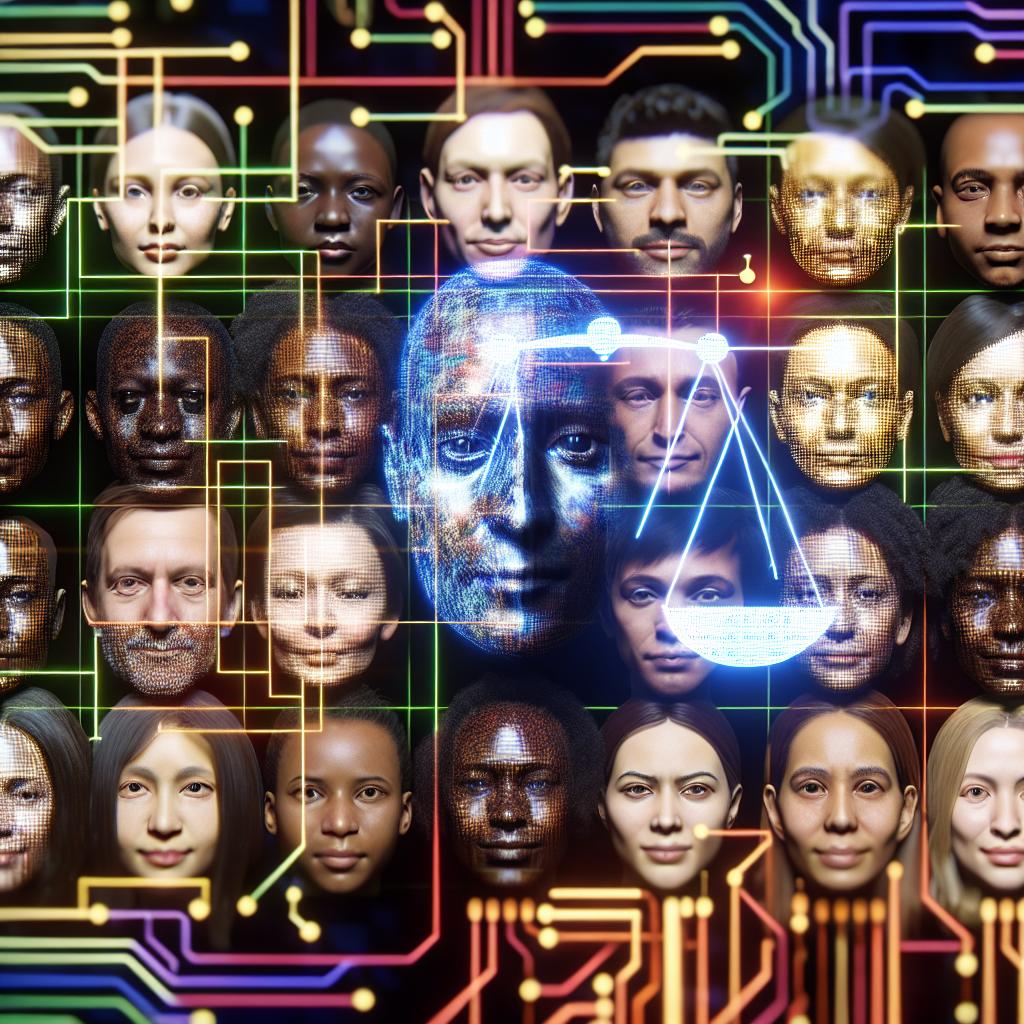
The Pitfalls of Biased Algorithms in Facial Recognition Technology
Facial recognition technology has rapidly become a ubiquitous tool in various industries, from law enforcement to security to marketing. Though, the reliance on biased algorithms in these systems poses notable risks and pitfalls that cannot be ignored. Here are some of the key issues:
- Inaccuracy: Biased algorithms can led to misidentifications,especially among marginalized groups.
- Privacy concerns: Facial recognition technology frequently enough raises privacy concerns due to the collection and storage of sensitive biometric data.
- Discrimination: Biased algorithms can perpetuate discrimination and reinforce existing biases in society.
- Lack of Clarity: The lack of transparency in the progress and use of facial recognition technology makes it difficult to assess and address bias.
- Legal and ethical Issues: The use of biased algorithms in facial recognition technology raises significant legal and ethical questions regarding individual rights and freedoms.

Enhancing Transparency and Accountability in Facial Recognition Systems
Facial recognition technology has gained significant popularity in recent years, being used in various industries ranging from security to marketing.However, this technology has encountered a significant trust problem due to concerns surrounding privacy and accuracy. is crucial in addressing these issues and building trust with the public. By providing clear facts on how the technology works, ensuring data protection measures are in place, and allowing for independent audits, companies can work towards improving the credibility of facial recognition systems. Implementing these measures will not only increase transparency but also enhance the accountability of the technology, ultimately leading to more responsible and ethical use.
in Retrospect
In a world where facial recognition technology is becoming increasingly integrated into our daily lives, it is crucial to address the trust issues that come with it. as we navigate through the complexities of privacy,bias,and security,it is significant to continue the conversation and strive for transparency and accountability in the use of facial recognition technology. only by acknowledging and working to rectify its shortcomings can we truly harness the potential benefits of this powerful tool. Let us continue to question, challenge, and innovate as we navigate the trust problem of facial recognition technology.