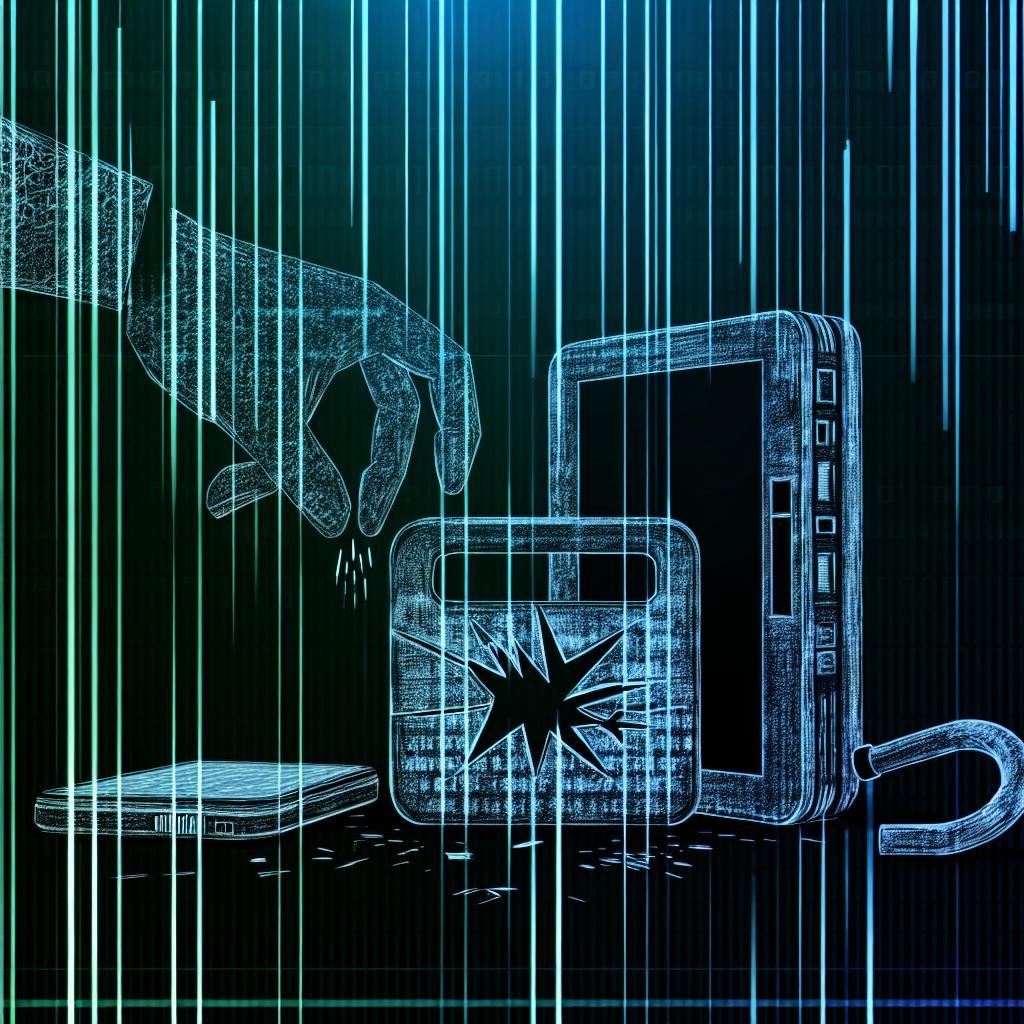
In the ever-evolving world of cybersecurity, hackers continue to find new ways to exploit vulnerabilities in technology. Recently, a concerning advancement has occurred involving discontinued D-Link devices. Hackers have successfully exploited a zero-day vulnerability in these devices, posing a serious threat to users’ security. In this article, we will delve into the details of this exploit and explore the potential implications for users.
Potential Impact of Zero-Day Exploitation on D-Link Users
With hackers exploiting a zero-day vulnerability in discontinued D-Link devices, users are at risk of falling victim to malicious attacks.These attacks can have a significant impact on D-Link users, including:
- Data Breaches: Hackers can gain unauthorized access to sensitive personal or business data stored on the devices.
- Privacy Invasion: Users’ privacy can be compromised as hackers might potentially be able to monitor their online activities or even take control of their devices.
- financial Loss: Cybercriminals can use the exploited vulnerability to carry out fraudulent transactions or steal financial data.
| User Impact | Potential Consequences |
|---|---|
| Data Breaches | Unauthorized access to sensitive information |
| Privacy Invasion | Monitoring of online activities |
| Financial Loss | Fraudulent transactions and theft of financial information |
Steps to Safeguard Discontinued D-Link Devices from Hacker Attacks
To protect your discontinued D-Link devices from potential hacker attacks exploiting zero-day vulnerabilities, it is crucial to take proactive steps to safeguard your network and data. Implementing robust security measures can help mitigate the risks associated with outdated devices. Here are some steps to enhance the security of your discontinued D-Link devices:
- Update Firmware: Check for any available firmware updates for your device to patch known vulnerabilities.
- Disable Remote Access: Disable any remote access features that are no longer necessary to minimize the attack surface.
- Network Segmentation: Segment your network to isolate the discontinued devices and limit potential impact in case of a breach.
- Implement Strong Passwords: Change default passwords to complex, unique passwords to prevent unauthorized access.
In Conclusion
In a world where technology advances at a rapid pace, it’s crucial to stay vigilant and proactive in protecting our digital assets. The recent exploitation of a zero-day vulnerability in discontinued D-Link devices serves as a stark reminder of the ever-evolving landscape of cybersecurity threats.
As we navigate these challenges, it’s imperative to remain informed, adapt security measures, and cultivate a culture of ongoing vigilance. By staying one step ahead and working together as a community, we can mitigate the risks posed by hackers and safeguard our data and privacy. Let’s continue to innovate, collaborate, and strive for a safer digital future.