In the ever-evolving landscape of healthcare, hospitals find themselves submerged in a sea of threats that they struggle to prioritize and address. As the tide of challenges continues to rise, healthcare facilities are facing a daunting task of triaging the myriad risks that threaten their ability to provide optimal care for their patients.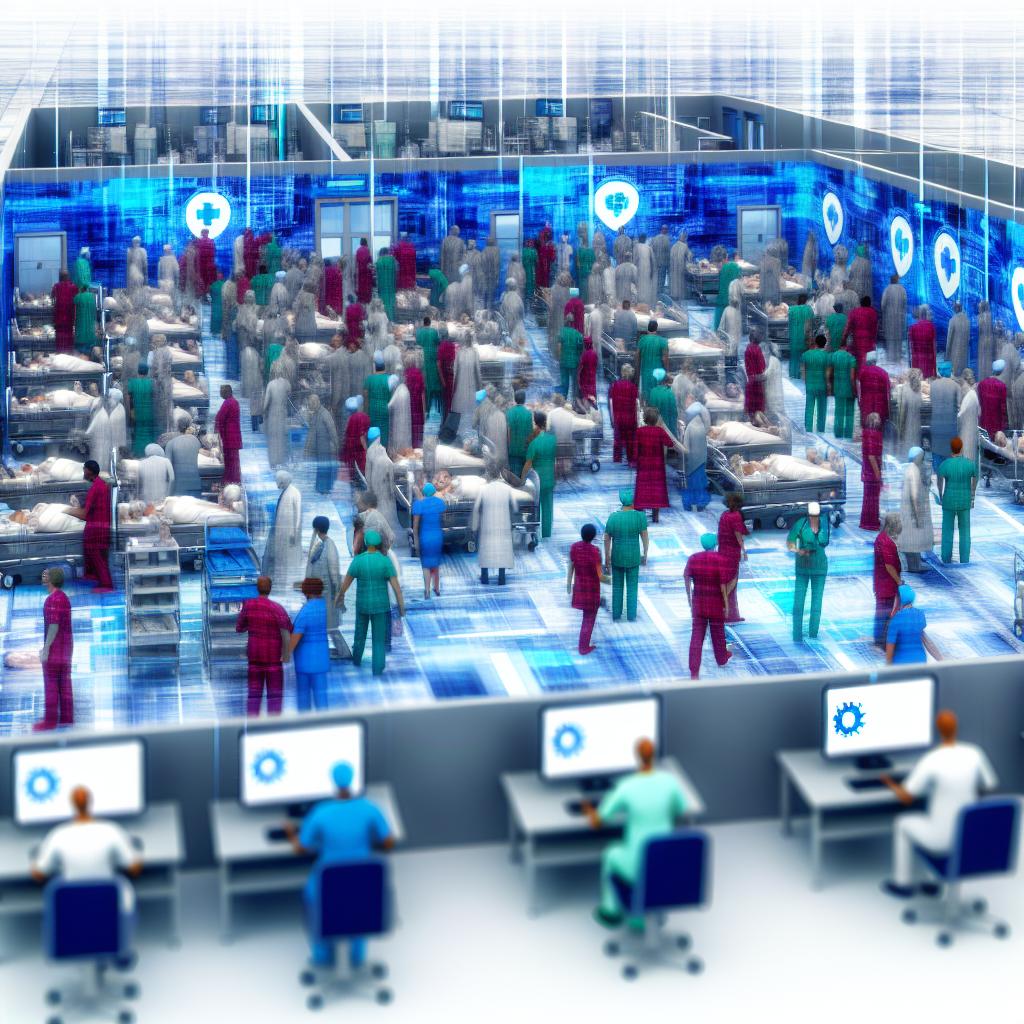
Heading 1: Overwhelmed healthcare systems facing an influx of security challenges
Hospitals worldwide are currently experiencing a crisis like never before, as the surge in cybersecurity threats has left healthcare systems overwhelmed and struggling to cope.From ransomware attacks to data breaches, these security challenges are putting patient data at risk and disrupting the critical services that hospitals provide. Amidst the chaos, healthcare organizations are facing the following security challenges:
- Phishing attacks targeting staff members
- Ransomware threats shutting down vital systems
- Data breaches compromising patient privacy
- Inadequate cybersecurity measures leaving vulnerabilities exposed
Heading 2: Strategies for hospitals to effectively prioritize and address emerging threats
Hospitals today are facing an overwhelming number of emerging threats that require urgent attention. To effectively prioritize and address these challenges, healthcare institutions must implement complete strategies that focus on proactive measures and rapid response.
Some key strategies include:
- Investing in cybersecurity: Hospitals must prioritize cybersecurity measures to protect sensitive patient data and prevent costly data breaches.
- Enhancing emergency preparedness: Hospitals should regularly conduct drills and simulations to ensure staff are well-trained and ready to respond to any crisis.
- Implementing robust infection control measures: With the rise of superbugs and infectious diseases, hospitals must strengthen their infection prevention protocols to safeguard patients and healthcare workers.
To Conclude
As hospitals continue to navigate through a constant stream of threats that they struggle to prioritize and mitigate, it is indeed clear that the healthcare industry is facing unprecedented challenges.From cyber attacks to natural disasters, the need for effective triage and preventative measures is more crucial than ever. It is imperative for healthcare institutions to come together, strategize, and implement robust measures to safeguard the wellbeing of patients and staff. Only by working collaboratively and staying vigilant can we hope to keep our hospitals afloat in the face of these overwhelming threats.