
In a digital world where anonymity reigns supreme, the question of identity verification has sparked a heated debate among internet users and service providers alike. As cybercrime and misinformation continue to proliferate online, many are left wondering: Is it time for internet services to implement stricter measures for verifying the identities of their users? Let’s dive into this controversial topic and explore the potential benefits and drawbacks of adopting identity verification in the digital age.
– The growing concern of online identity fraud: Exploring the need for internet services to implement identity verification
With the rise of online identity fraud, it has become increasingly crucial for internet services to implement identity verification measures to protect their users. The prevalence of phishing scams,data breaches,and account takeovers has highlighted the vulnerability of personal data on the internet. By adopting identity verification solutions, internet services can enhance security, build trust with users, and prevent fraudulent activities. Identity verification may include two-factor authentication, biometric recognition, or document verification, providing an extra layer of protection for user accounts. In a digital age where personal data is constantly at risk, the implementation of identity verification is essential to safeguard online identities and maintain a secure online habitat.
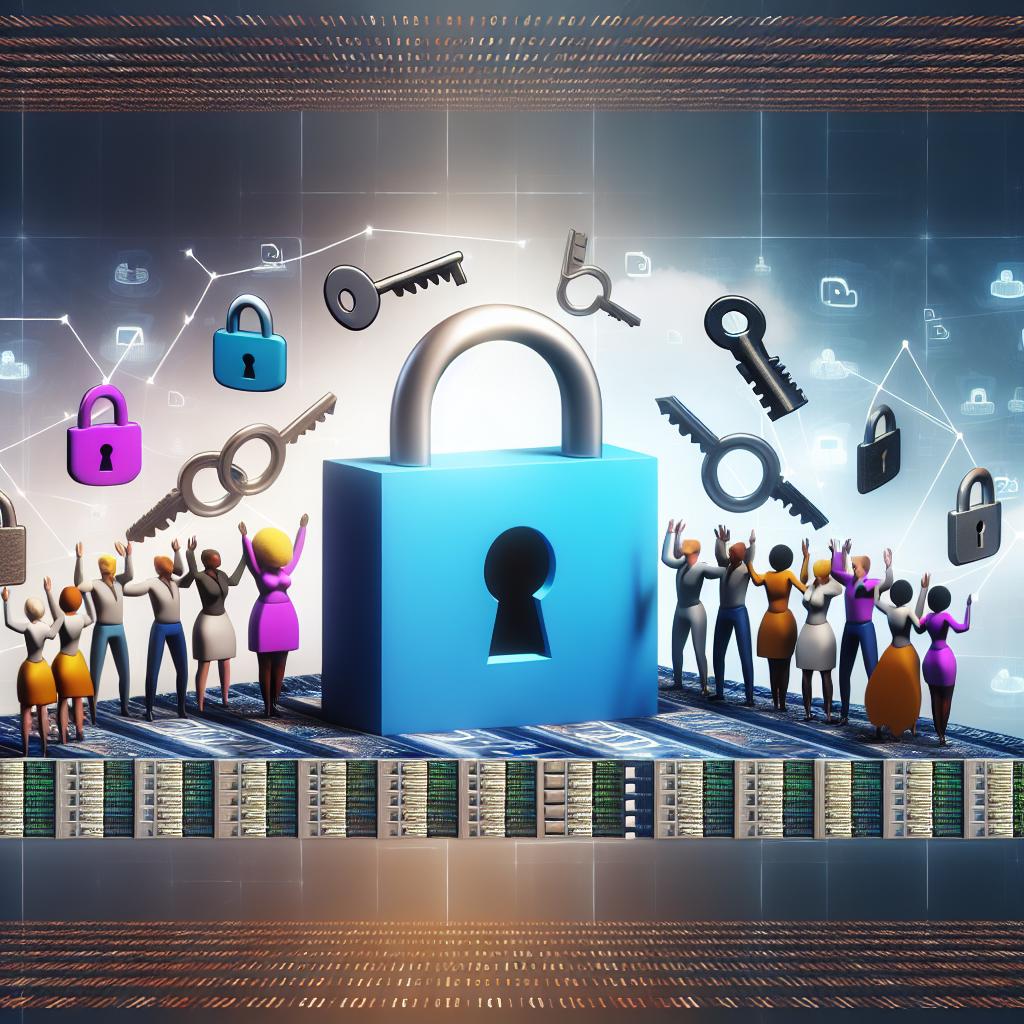
– Enhancing security and trust in online interactions: Strategies for internet services to adopt identity verification techniques
With the increasing prevalence of online fraud and identity theft, it is crucial for internet services to prioritize security and trust in their interactions with users. By adopting identity verification techniques, such as two-factor authentication, biometric scanning, and document verification, internet services can significantly enhance the safety of their platforms and reduce the risk of unauthorized access. These strategies not onyl protect users’ personal information but also help to build a more trustworthy online environment for all stakeholders involved.
Concluding Remarks
the question of whether internet services should adopt identity verification is a complex and evolving one. While concerns about privacy and security are valid, the increasing prevalence of online fraud and misinformation necessitates a reevaluation of our current systems. Ultimately, the balance between convenience and safety must be carefully considered as we navigate the digital landscape. As technology continues to advance,it may be time for internet services to update their verification processes to better protect their users. Only time will tell how the internet will adapt to the changing demands of the digital age.