
In the ever-evolving landscape of cybersecurity, Microsoft continues to reinforce their commitment to providing top-tier protection for organizations worldwide. With the upcoming transition of Sentinel to the Defender portal, a new era of defense is on the horizon.As businesses brace themselves for this monumental shift, it’s imperative to delve into the details of this transformative journey and what it means for the future of digital security. Join us as we explore Microsoft’s bold new timeline for the Sentinel transition and the potential impact it could have on the safeguarding of sensitive data in an increasingly interconnected world.
Key Updates on Sentinel Transition to Defender Portal
Microsoft recently announced a new timeline for the transition of Sentinel to the Defender portal, with key updates that users should be aware of. The transition, originally scheduled for early next year, has now been expedited to take place within the next few months. This move aims to provide users with enhanced security features and a more streamlined experiance.Some of the key updates include:
- Integration of Sentinel alerts into the Defender portal for centralized monitoring and management.
- Improved automation capabilities for faster incident response and remediation.
- Enhanced reporting and analytics tools for better visibility into security threats.
With these changes, Microsoft aims to empower users with better tools to defend against cyber threats and bolster overall cybersecurity posture. Stay tuned for more updates as the transition progresses!
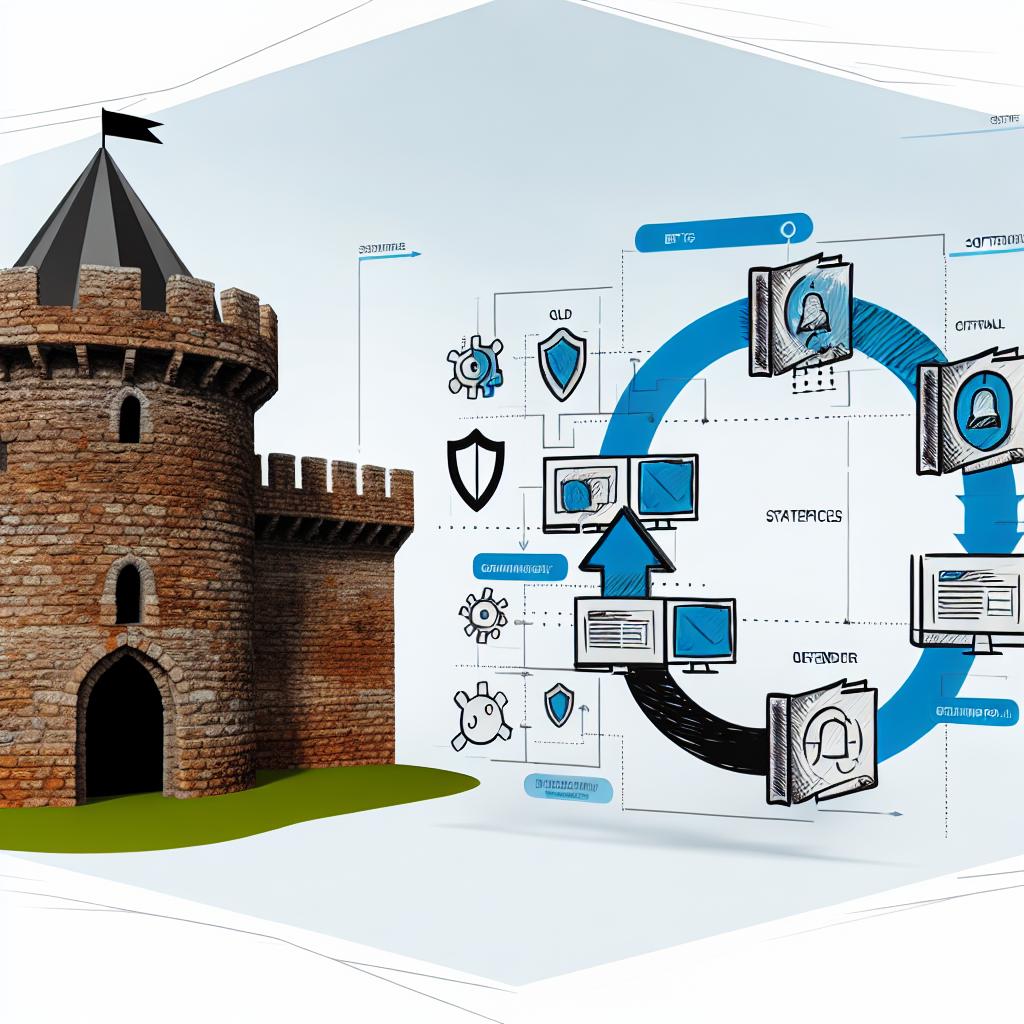
Best Practices for Smooth transition from Sentinel to Defender Portal
As Microsoft announces the new timeline for transitioning from Sentinel to Defender portal, it’s meaningful to follow best practices to ensure a smooth migration process. To make the transition seamless, users should backup all Sentinel configurations and data before starting the migration. Additionally, communicate with stakeholders about the upcoming changes and provide training on using the new Defender portal. It’s crucial to test the migration process in a staging surroundings before applying it to production to identify any potential issues. by following these best practices, users can navigate the transition effectively and take full advantage of the enhanced capabilities offered by the Defender portal.
To Conclude
Microsoft’s new timeline for transitioning Sentinel to the Defender portal marks a significant step towards streamlining and enhancing their cybersecurity offerings.With this shift,users can look forward to a more integrated and efficient experience when it comes to threat detection and response. As the technology landscape continues to evolve, Microsoft remains committed to adapting and innovating to meet the ever-growing challenges of cybersecurity. Keep an eye out for further updates as this transition unfolds. Thank you for joining us on this journey of technological advancement.