In a world dominated by technology, the constant threat of cyber attacks looms large over organizations and individuals alike. As we hurtle towards the year 2025, the renowned cybersecurity organization MITRE has unveiled its highly anticipated list of the top 25 most dangerous software vulnerabilities. These vulnerabilities pose a grave risk to our digital infrastructure, making this release a crucial tool in the ongoing battle to protect against cyber threats. Let us delve into the depths of MITRE’s findings and explore the looming dangers that lie ahead in the realm of cybersecurity.
Understanding the Impact of MITRE’s 2025 list of Top 25 Most Dangerous Software Vulnerabilities
MITRE’s 2025 List of Top 25 Most Dangerous software Vulnerabilities has been released, shedding light on the critical security risks that organizations must address to protect their systems. This extensive list includes a variety of vulnerabilities that cyber criminals can exploit to gain unauthorized access, steal sensitive data, or disrupt operations. it is crucial for businesses to understand the impact of these vulnerabilities and take proactive measures to mitigate the risks they pose. By staying informed about the latest threats and implementing robust security measures, organizations can enhance their defenses and safeguard their digital assets from potential cyber attacks.
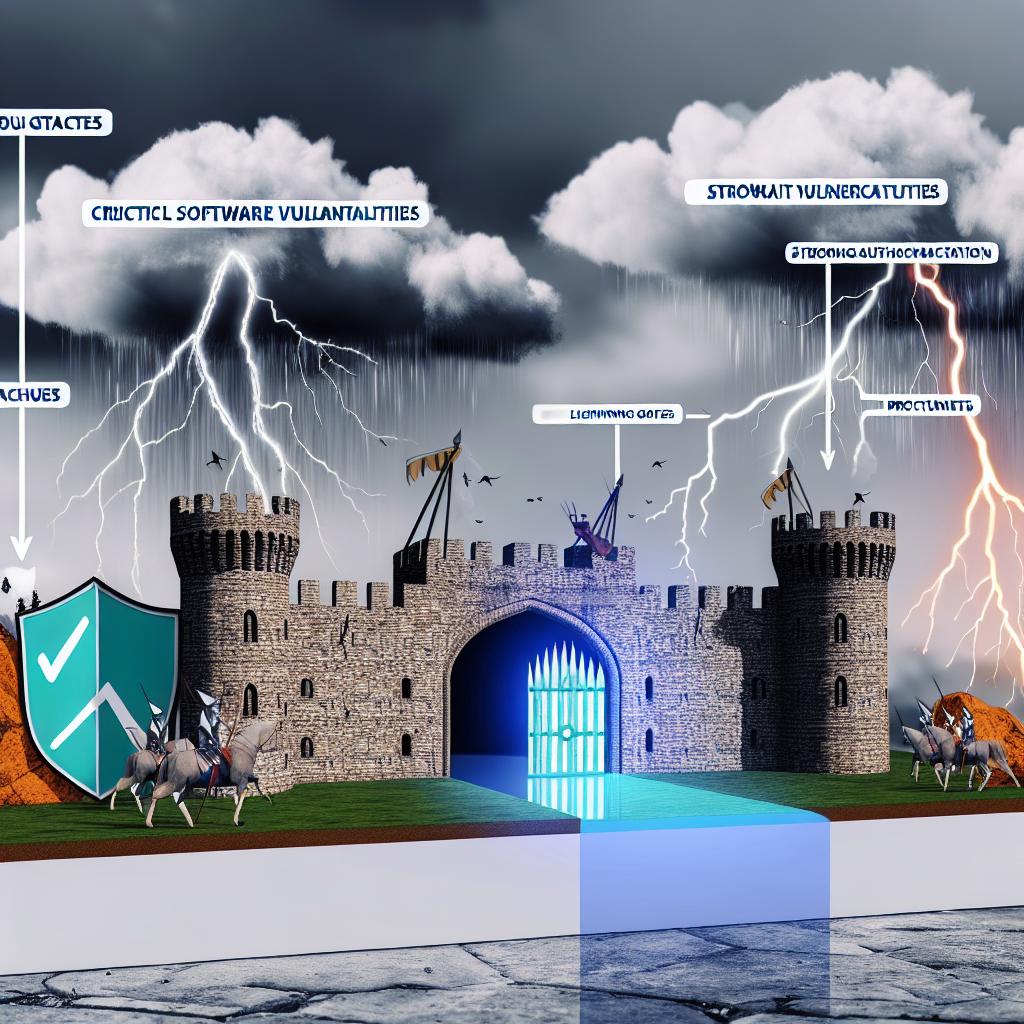
Best Practices for Mitigating Risk Associated with Critical Software Vulnerabilities
MITRE’s recent release of the 2025 list of top 25 most dangerous software vulnerabilities has highlighted the urgent need for organizations to implement best practices to mitigate the associated risks.To protect critical systems and data, it is indeed essential for businesses to prioritize cybersecurity measures and follow industry-standard protocols.Some key strategies to address these vulnerabilities include:
- Regular Software Updates: Ensure that all software and systems are regularly updated with the latest security patches to protect against known vulnerabilities.
- Network Segmentation: Implement network segmentation to limit the potential impact of a security breach and isolate critical systems from less secure areas of the network.
- Employee Training: Provide ongoing cybersecurity training for employees to increase awareness of potential threats and best practices for preventing security incidents.
Closing Remarks
As technology continues to advance, the importance of cybersecurity cannot be overstated. MITRE’s latest release of the top 25 most dangerous software vulnerabilities serves as a stark reminder of the constant threats facing our digital world. By staying informed and proactive in our approach to cybersecurity, we can work towards creating a safer and more secure online environment for all. Let us use this list as a call to action to strengthen our defenses and protect against potential cyber threats in the years to come.