In the digital age, where cyber threats loom around every virtual corner, the importance of safeguarding our identities has never been more crucial. From phishing attacks and password breaches to mismanaged privileges, the risks to our personal and organizational cybersecurity posture are ever-evolving and increasingly sophisticated. as we navigate the complex landscape of data protection, it becomes clear that understanding the role of identity is paramount in fortifying our defenses and mitigating potential threats. Join us as we delve into the world of cybersecurity and explore why identity is the cornerstone of a strong and resilient security posture.
Heading 1: Understanding the Risks of Phishing Attacks in Cybersecurity
Phishing attacks continue to pose a meaningful threat to cybersecurity, targeting individuals and organizations alike. These attacks often involve malicious actors masquerading as trustworthy entities to trick users into divulging sensitive details such as usernames, passwords, and financial details. identity verification plays a crucial role in mitigating the risks associated with phishing, as it helps ensure that only authorized individuals have access to sensitive data.By implementing strong authentication measures and regularly updating passwords, organizations can bolster their cybersecurity posture and reduce the likelihood of falling victim to phishing attempts.

Heading 2: Implementing Effective Identity Management Strategies to Enhance Security
When it comes to cybersecurity, identity management plays a crucial role in safeguarding sensitive information and preventing unauthorized access. Phishing attacks, compromised passwords, and excessive user privileges are common vulnerabilities that can be exploited by malicious actors. By implementing effective identity management strategies, organizations can enhance their security posture and mitigate the risks associated with these threats. Utilizing multi-factor authentication, role-based access control, and regular password updates are essential components of a complete identity management framework. By prioritizing identity security, businesses can better protect their data and systems from potential breaches and cyber threats.
In Summary
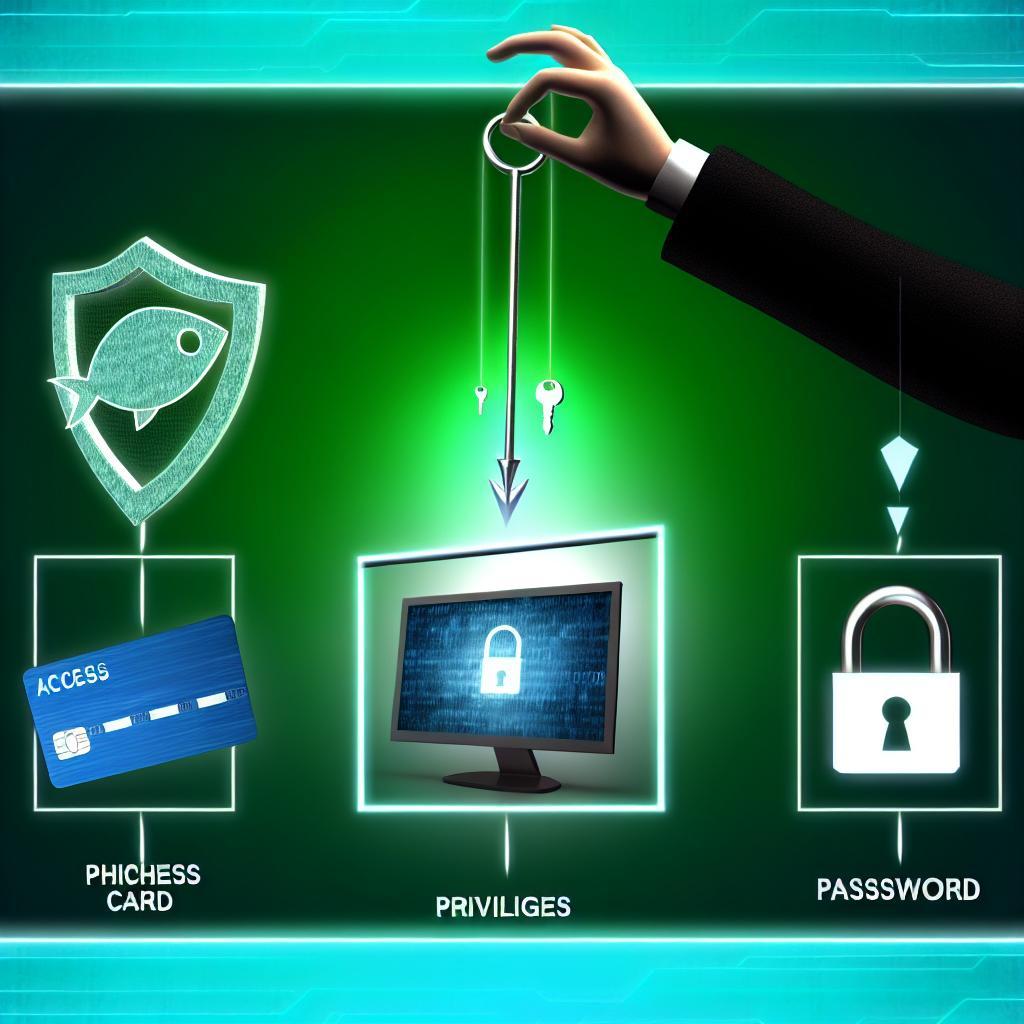
the interconnected nature of phishing, privileges, and passwords underscores the critical importance of identity in bolstering cybersecurity defenses. By understanding the way in which these elements interact and leveraging identity management tools effectively, organizations can better protect themselves from potential threats. Ultimately, a strong focus on identity is key to building a robust cybersecurity posture that guards against the ever-evolving landscape of digital risks. Stay vigilant, stay informed, and remember – yoru identity is your first line of defense in the fight against cyber threats.