In the age of advanced technology, where seemingly impenetrable barriers protect our data, a new threat has emerged. Radio signals, once thought to be harmless waves carrying our favorite tunes through the air, may now serve as the gateway for attackers to breach the most secure devices. Welcome to the world where air-gapped systems are no longer immune to infiltration – where a simple signal could be all it takes for a malicious intruder to gain a foothold inside our most sensitive technology.
Detecting Radio Signals Emitted by Air-Gapped Devices
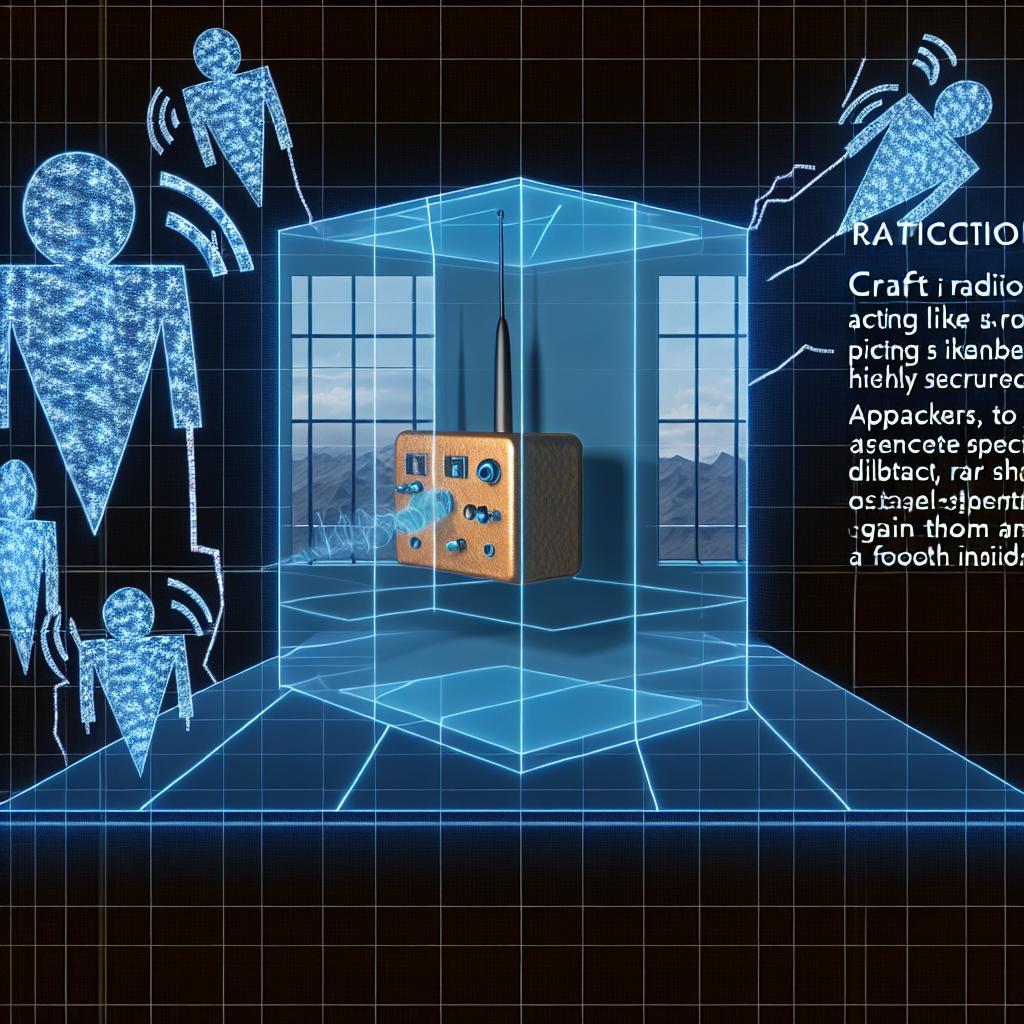
Radio signals emitted by air-gapped devices could potentially be exploited by attackers to breach the security of these isolated systems. These signals, although not directly accessible via customary means, can still be detected and intercepted using specialized equipment. Once intercepted, attackers could use these signals to gain unauthorized access to sensitive data or even implant malicious software into the air-gapped device. This underscores the importance of implementing robust security measures to protect against such sophisticated attacks.

Protecting Air-Gapped Devices from Radio Signal Attacks
One of the greatest challenges in cybersecurity is . These attacks, also known as TEMPEST attacks, can compromise sensitive information by allowing attackers to eavesdrop on electromagnetic emissions.To safeguard these devices, it is essential to implement physical security measures and radio frequency shielding to prevent unauthorized access. Additionally, deploying signal jamming devices and frequency hopping techniques can help mitigate the risk of radio signal attacks.
In Retrospect
the potential threat of attackers using radio signals to breach air-gapped devices is a concerning issue that cannot be ignored. As technology continues to advance,it is indeed crucial for security measures to stay one step ahead in order to protect sensitive information and prevent unauthorized access. Remember,vigilance and proactive security measures are key in safeguarding against potential vulnerabilities in our increasingly connected world. stay informed, stay cautious, and stay secure.