In a world where data security is paramount, even tech giants like Google are not immune to vulnerabilities that can lead to full compromise of their instances. The recent finding of vulnerabilities in Google Looker instances has sent shockwaves through the tech community, raising concerns about the safety of sensitive information stored on the platform. Let’s delve into the details of these vulnerabilities and explore their potential impact on Google Looker users.
Headings:
Google Looker Instances were recently found to have vulnerabilities that allowed for full compromise by malicious actors. These vulnerabilities, if exploited, could have led to unauthorized access to sensitive data, putting organizations at risk of data breaches and potential financial loss. Security researchers have urged users to update their instances promptly to patch these vulnerabilities and prevent any potential exploitation. Stay vigilant and prioritize security measures to protect your data and infrastructure from cyber threats.
| Vulnerability | Risk Level |
|---|---|
| SQL Injection | High |
| Remote Code Execution | Critical |
| Authentication Bypass | Medium |
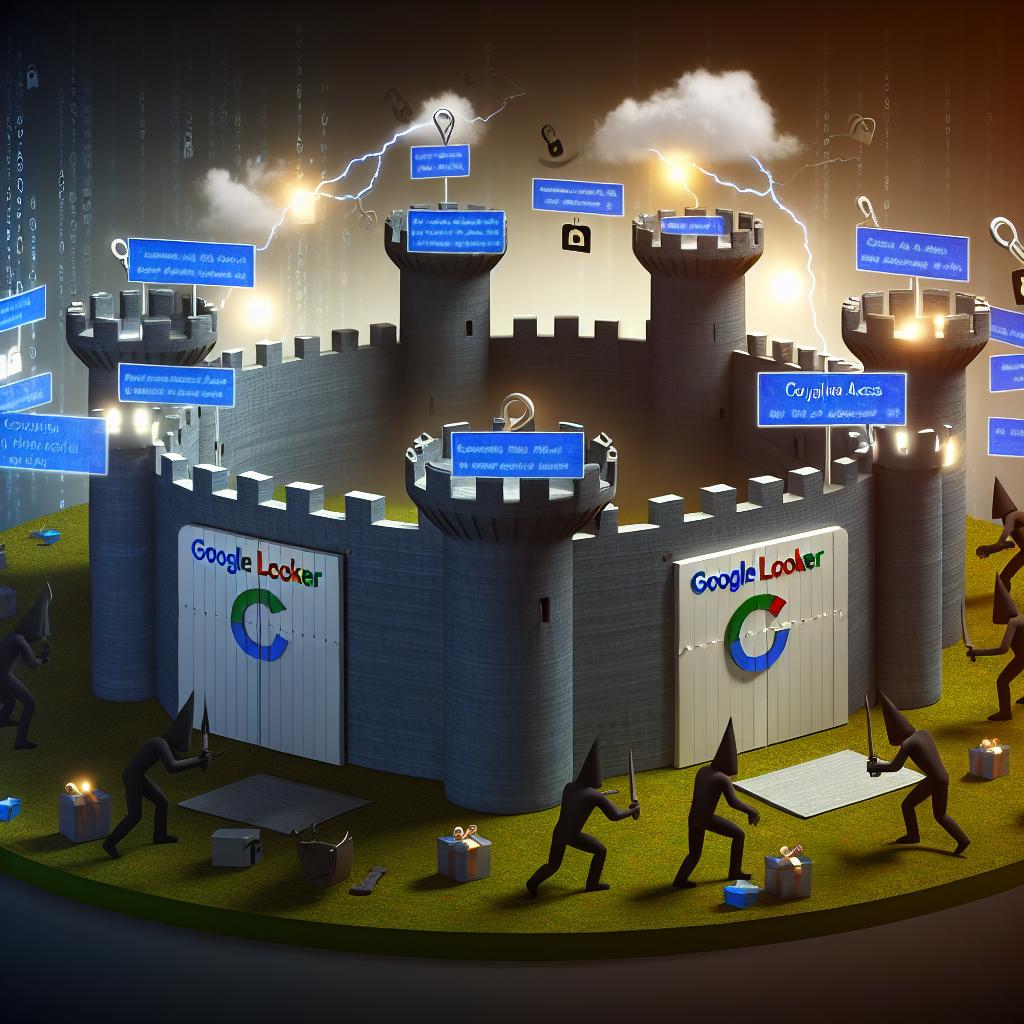
Potential Security Risks in Google Looker Instances
Several vulnerabilities have been discovered in Google Looker instances that could potentially lead to a full compromise of the system. These security risks include unauthorized access to sensitive data, injection of malicious code, and exploitation of authentication flaws. To mitigate these risks,it is crucial for organizations using Google Looker to implement strong security measures,such as:
- Regular security audits and penetration testing to identify and fix potential vulnerabilities
- Enforcing strict access controls to limit who can interact with the system
- Keeping the software up to date to patch any known security holes
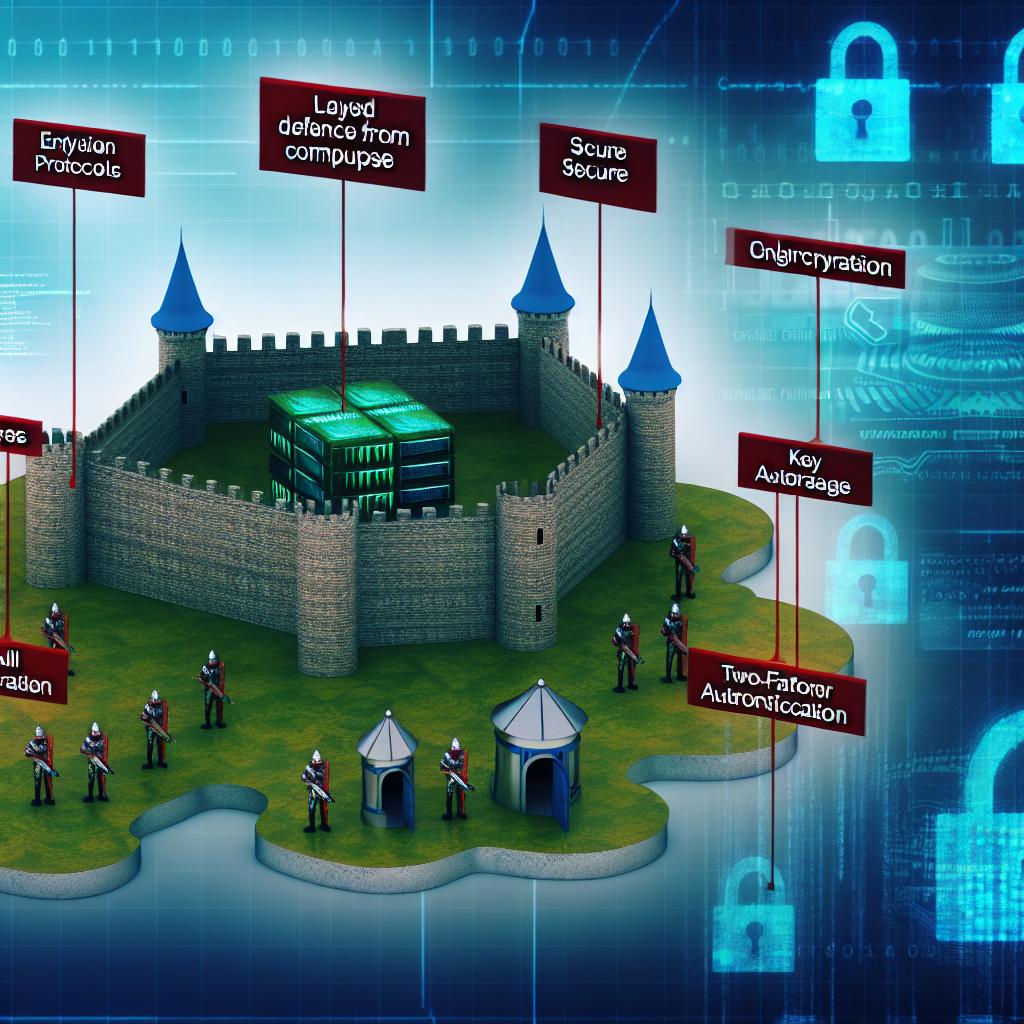
Best Practices to Secure Google Looker Instances from Full compromise
Ensuring the security of your Google Looker instances is paramount to protect your data from potential compromises. By following the best practices outlined below, you can reduce the risk of full compromise:
- Regularly Update: Ensure that your Google Looker instances are always running on the latest version to patch any known vulnerabilities.
- Implement Access Controls: Restrict access to sensitive data and functions within Looker to authorized personnel only.
- Encrypt Data: Utilize encryption to safeguard data at rest and in transit, preventing unauthorized access.
- Monitor and Audit: Keep a close eye on user activity and system logs to detect any suspicious behavior or unauthorized access attempts.
Key Takeaways
the recent discovery of vulnerabilities allowing full compromise of Google Looker instances serves as a stark reminder of the ever-evolving threat landscape facing organizations. It highlights the importance of constant vigilance and proactive security measures to safeguard sensitive data and resources. As technology continues to advance, so too must our defenses against potential cyber threats. Let this incident serve as a cautionary tale as we collectively strive to strengthen our cybersecurity posture and mitigate risks in an increasingly interconnected world. Stay safe, stay informed, and stay resilient.